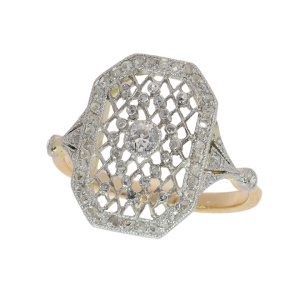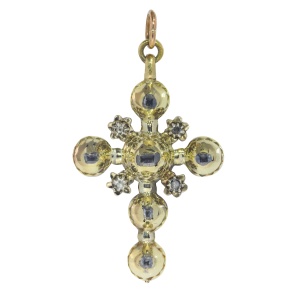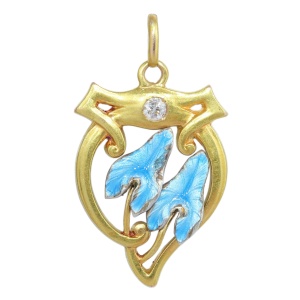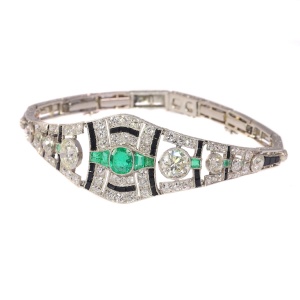

The process of shaping metal objects by pouring molten metal into a hollow mould which has been made from a model of the desired article.In ancient times a hand-carved stone mould was used, but later a clay mould was formed around the model. These early methods (known as 'open casting') produced a solid object. Later hollow articleswere made by suspending a close-fitting object whitin the mould so that the metal flowed between it and the walls of the mould (called 'hollow casting').An improved method, for intricately designed pieces of jewelry, was used as early as egyptian jewelry and pre-columbian jewelry, known as the cire perdue process.Later methods were cuttlefish castin, die casting, sand casting and in modern times for a mass production, centrifugal (investment) casting.
Casting
Casting
The process of shaping metal objects by pouring molten metal into a hollow mould which has been made from a model of the desired article.In ancient times a hand-carved stone mould was used, but later a clay mould was formed around the model. These early methods (known as 'open casting') produced a solid object. Later hollow articleswere made by suspending a close-fitting object whitin the mould so that the metal flowed between it and the walls of the mould (called 'hollow casting').An improved method, for intricately designed pieces of jewelry, was used as early as egyptian jewelry and pre-columbian jewelry, known as the cire perdue process.Later methods were cuttlefish castin, die casting, sand casting and in modern times for a mass production, centrifugal (investment) casting.
References
From: An Illustrated Dictionary of Jewelry, autor: Harold Newman, publishers: Thames and Hudson