

A type of decoration in the manner of cloisonné enamelling but having the cloisons made of twisted wire (rather than flat strips of metal) soldered to the base, and filled in with opaque enamel.After the powdered enamel in the spaces is fused and, upon cooling, has contracted, the wire shows above the surface.The style originated in Greece in the 5th century BC. Later, it flourished in or near Venice in the second half of the 14th century and spread throughout Europe, but mainly to Spain in someHispano-Moresque work and to Hungary in the 15th/16th centuries.
Filigree Enamel
This glossary entry has not yet been updated and is under review.
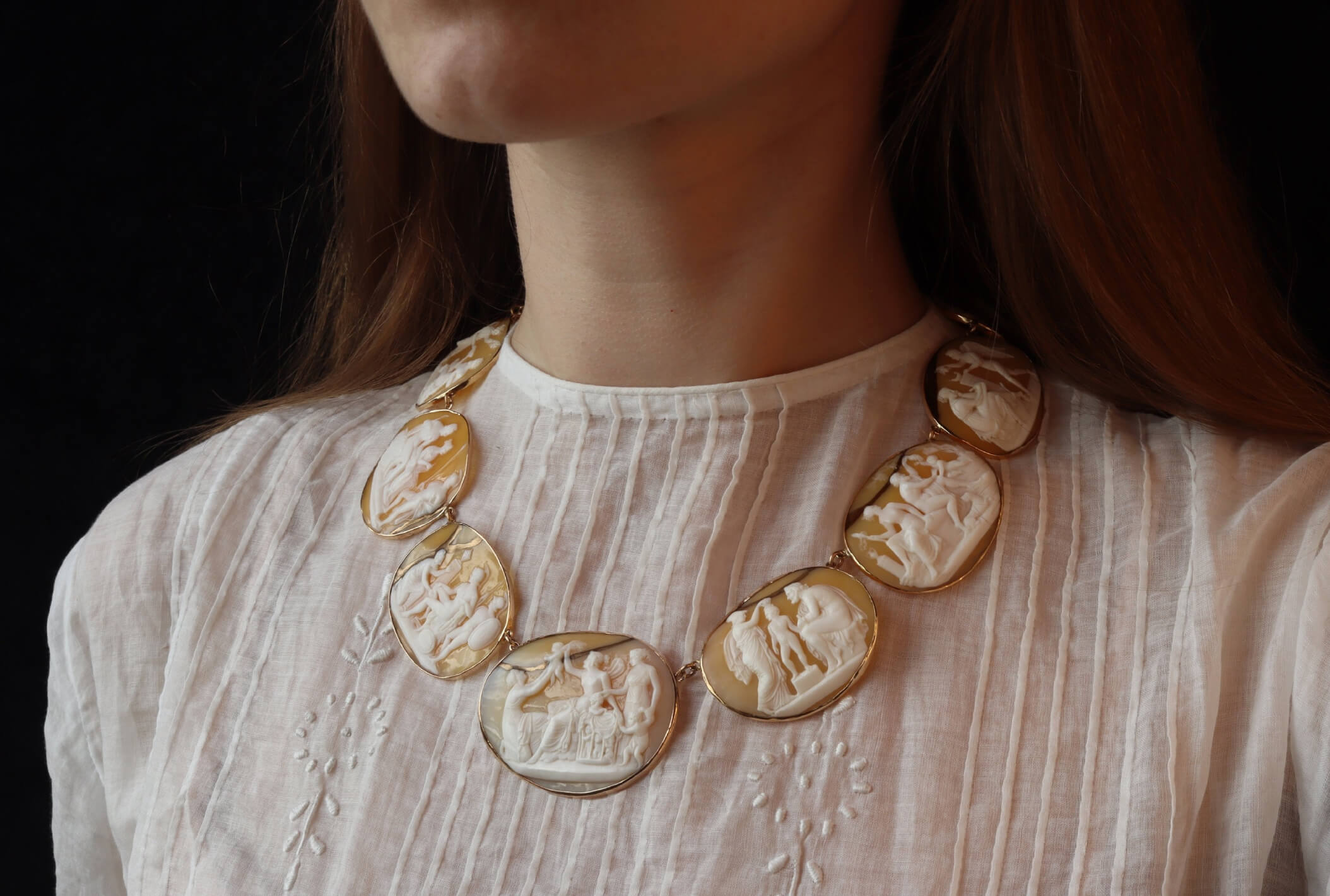
Explanation on filigree enamel by Adin antique jewelry
Adin Academy
Filigree Enamel
No items found.
A type of decoration in the manner of cloisonné enamelling but having the cloisons made of twisted wire (rather than flat strips of metal) soldered to the base, and filled in with opaque enamel.After the powdered enamel in the spaces is fused and, upon cooling, has contracted, the wire shows above the surface.The style originated in Greece in the 5th century BC. Later, it flourished in or near Venice in the second half of the 14th century and spread throughout Europe, but mainly to Spain in someHispano-Moresque work and to Hungary in the 15th/16th centuries.
Also known as:
References
From: An Illustrated Dictionary of Jewelry, autor: Harold Newman, publishers: Thames and Hudson
Related jewels
See all
related jewellery
Want to share your feedback or input on this Academy article?
Thank you! Your submission has been received!
Oops! Something went wrong while submitting the form.