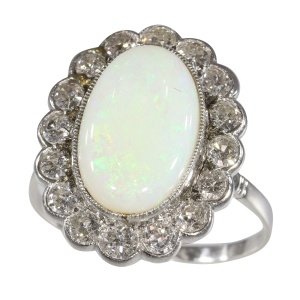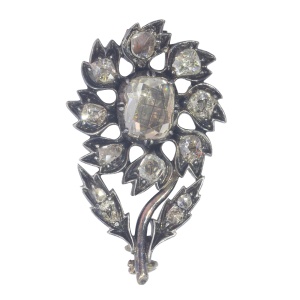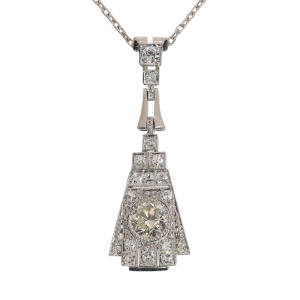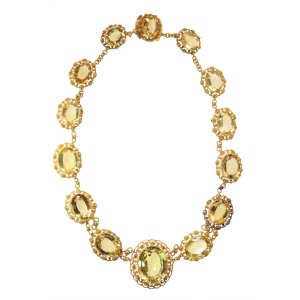

An internal fault or imperfection in a gemstone, as distinguished from a blemish, which is a marring of the surface. Flaws may be due to the inclusion of a foreign material, to a small crack orcleavage, or to a liquid-filled cavity.A flaw usually detracts from the value of a gemstone (especially in a diamond), but less so in a emerald which is almost invariably has some minute inclusion. In some stones a technical flaw does notdetract but adds to the character of the stone, e.g. the inclusions that cause the asterism in a ruby or sapphire, the dendritic inclusions in a moss agate, and the structure of an opal.A stone is said to be 'clean' or 'flawless' if no flaws are noticeable under a jeweller's lens that magnifies ten times (or 'VVSI' if 'very very slightly imperfect'). Some flaws can be concealed bythe manner in which the stone is set.
Flaw
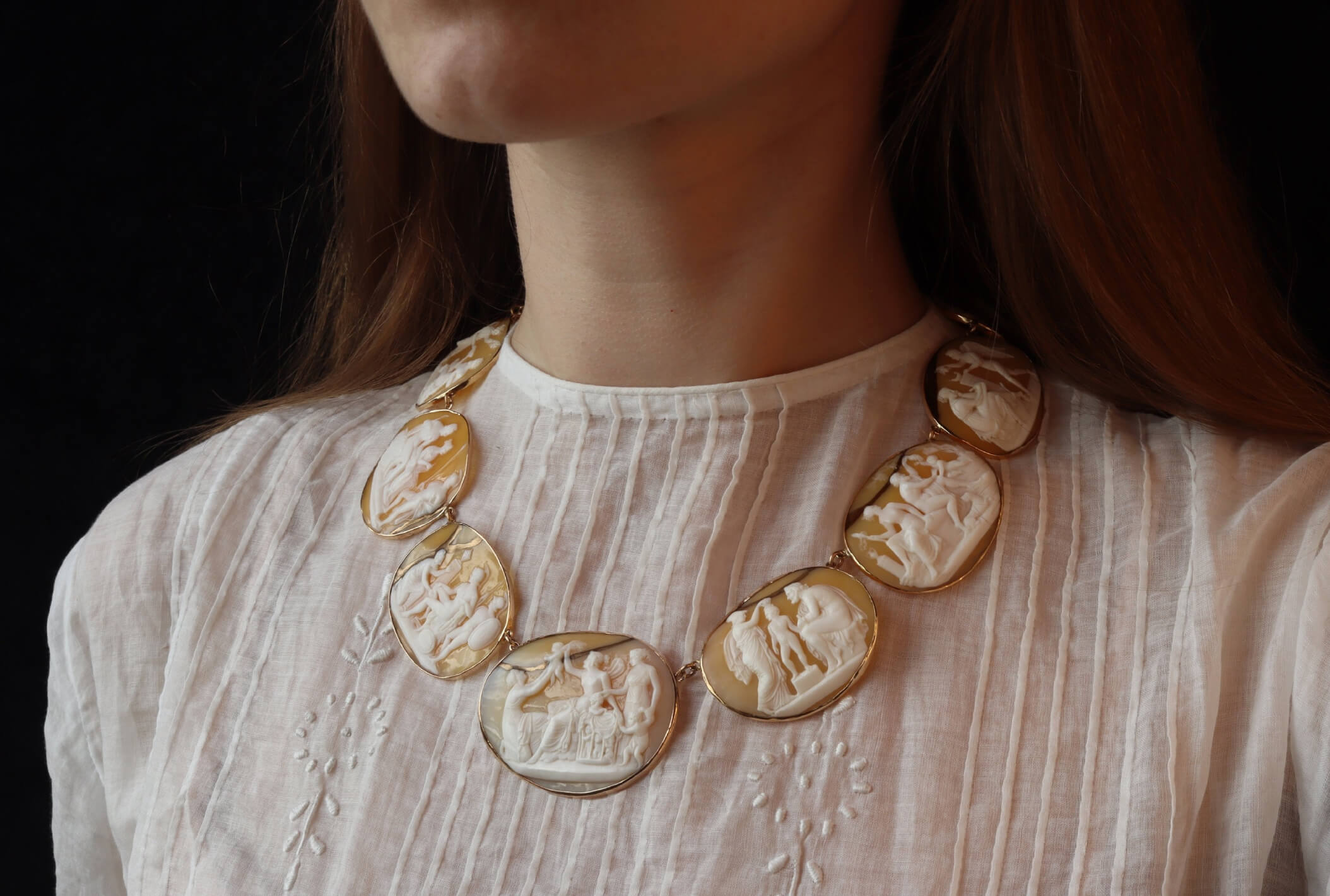
Flaw
An internal fault or imperfection in a gemstone, as distinguished from a blemish, which is a marring of the surface. Flaws may be due to the inclusion of a foreign material, to a small crack orcleavage, or to a liquid-filled cavity.A flaw usually detracts from the value of a gemstone (especially in a diamond), but less so in a emerald which is almost invariably has some minute inclusion. In some stones a technical flaw does notdetract but adds to the character of the stone, e.g. the inclusions that cause the asterism in a ruby or sapphire, the dendritic inclusions in a moss agate, and the structure of an opal.A stone is said to be 'clean' or 'flawless' if no flaws are noticeable under a jeweller's lens that magnifies ten times (or 'VVSI' if 'very very slightly imperfect'). Some flaws can be concealed bythe manner in which the stone is set.
References
From: An Illustrated Dictionary of Jewelry, autor: Harold Newman, publishers: Thames and Hudson