
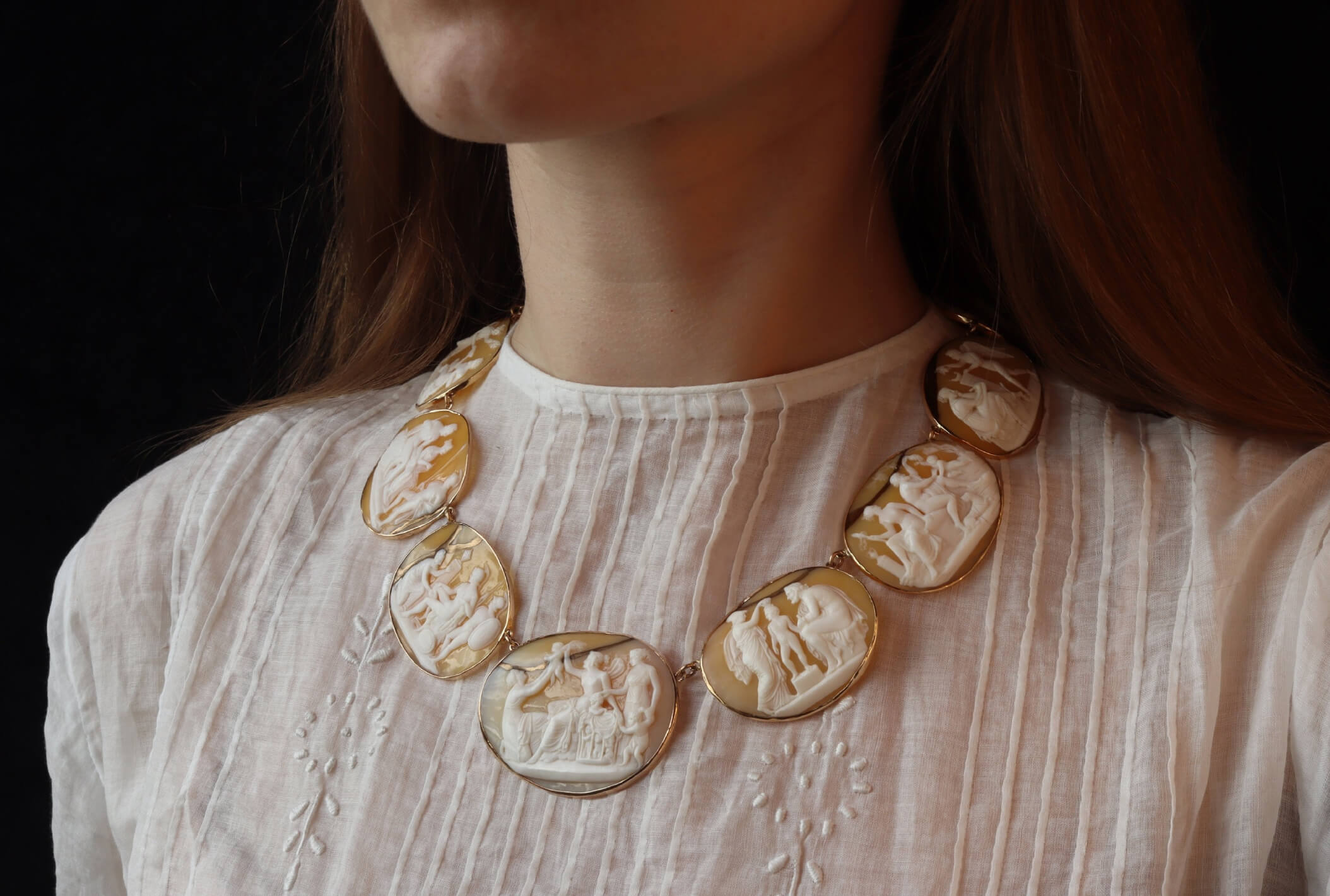

See our: flower inspired jewelry.flower inspired jewelryflower inspired jewelryflower inspired jewelryflower inspired jewelryflower inspired jewelryflower inspired jewelryflower inspired jewelryflower inspired jewelry
Flower symbolism
Flowers are part of our daily life. For virtually every event we have assigned a special flower. Flowers for love, church, church graveyard, marriage, etc. In the 16th century inn's use to havea branch or flower stalk as signboard which later often changed only into the name of a specific tree or flower. Many times one finds flower gardens in mythological sceneries. The allegoric useof flowers is uncountable: attributes for the springtime, the youth, the sunrise, the rhetoric, the virtue etc. Lots of countries carry a flower as national symbol: Hungary had the tulip andScotland the thistle, etc.See our: flower inspired jewelry.
Flowers: etiquette and superstition
Sometimes flower symbolism is narrowed to its tightest form: etiquette and superstition. Rules apply for the color and number of flowers one gives. In this (superstitious) believe it is notdone to give black roses or yellow flowers; neither is it done to give 13 flowers; lovers give each other red roses, etc. Also the color of a flower has its own symbolism: white stands forinnocence an purity but also for death; red for vitality and blood; blue for mystery and profound devotion and yellow for warmth, sun and gold. In the bible flowers often symbolise beauty andtenderness. And not to forget flowers remember us that all things, no matter how pretty, are subject to decay.See our: flower inspired jewelry.
Flowers: universe and archetypes
Flower symbolism is not as evident or simplistic as one might think, in fact one does need some effort to understand. Normally every flower has a different meaning but even different meanings aregiven to one flower. One of the common characteristics of flower symbolism is that it refers to the female or passive principle of the universal existence. Sometimes flowers, because of their'star structure' symbolise the son.See our: flower inspired jewelry.
Flower wheels
When a flower symbolises eternal force then there can be a lot of comparisons with other symbols. Flowers develop themselves like beams or spokes bursting from out an axle. Therefor it is notsurprising that there is a strong symbolic association between symbolical flowers and 'wheels'. A classical example is the wheel, which has a variable number of spokes depending of the traditions andrepresentations but which always wants to express a deeper meaning. The most common wheels are those with six till eight spokes. In this double shape the Celtic wheel survived in the west till theend of the Dark Ages. The same representations (mostly with eight spokes) one will find often in Tibet and India but also in historical sites like Chaldea (southern Babylon - modern southern Iraq)and Assyria (ancient empire in Asia that was at its height between the ninth and seventh centuries BC) . Flowers with, for example, six or eight petals (like the Lily and most Lotus flowers)correspond with six- or eight-spoke wheels. Then the rose is often represented with a various number of petals. In general one could say that five petals symbolises the micro cosmos and six petalsthe macro cosmos.See our: flower inspired jewelry.
Flowers in the western art of painting
In western art of painting flowers claim their place first as decoration but later also as symbol. To peoplein the 15th century nature seemed to be a forest of symbols, and flowers were, in their eyes, saturatedwith deeper meanings. Flower symbolism varies in the art of painting depending on era en area and therefore itis almost impossible to find all meanings with certainty. Omnipresent and known by most people is the lilyas symbol for purity. The lily-of-the-valley is a known symbol for humility or modesty, the rose for love orsometimes discretion. Therefore one can find roses carved in the confessional boxes to symbolize the secretof the confessional. The thorns of the rose symbolize the children of Adam under the burden of sin. The daisysymbolized compassion, the violet modesty, the buttercup to show a non-marital status, a big violet meditation, thehogweed mildness, the apple the disobedience, the ear of wheat (among others) Eucharistic and the creeping cinquefoilsymbolized affection. In the Dark Ages people really understood the allegoric language of the flowers but later thatnotion diminished. Flowers often are added to portraits and sometimes they still play a symbolic role, but fromthe 16th century and up they are mostly used as decoration.See our: flower inspired jewelry.
Flowers and religion
Flowers have played an important role through the ages in the religious ceremonies of many nations. On rolls fromAssyria and on Egyptian temples plants are depicted. The idea is that some like the Lotus and date palm hada ritual role. In the Aztec civilisation flower gardens were not only made to please the eyes of the people,artists and gods, they also contained many images and phases from the history of the beginning of the cosmos.Taoism knows the "golden flower" growing out of a skull, symbolising the highest mystical enlightening and hasthe same symbolic meaning as a life elixir. De flowering itself is the returning to the Centre, the Unity, theoriginal status. In the Hindu ritual the flower ('pushpa') resembles with the element ether. In Hinduism as wellas Buddhism the lotus flower is a very important symbol.In the ancient world (and also later in the Christian faith) flowers symbolised the springtime, they were seenas the children of light. The Latin 'flos' and the Greek 'anthos' means both flowering as inflorescence. Flowerswere abundantly diverted over floors and used in wreaths and garlands. It was customary to throw flowers andleaves to a winner of a contest. Every February in Greece they had a "festival of the first flowers" ('anthesterien'). Flowers, in the Greek mythology are closely connected to the faith of lots of gods and heroes.The Celts and Old Germans thought that flowers (just as trees, stars and water) had a soul. Flowers were used todecorate temples, altars, pillars, gods, heroes, priests, sacrifices and victims. Little is known of the Celticsymbolism of flowers. But from the Old Germans lots of meanings are still known. The May month was for the OldGermans the time when Wodan/Odin returned from his honeymoon and together with his wife he brought back sunshine andthe splendour of the flowers. They erected in the middle of a forest under old trees an altar and decorated it withfresh spring time green flowers and leaves. With the christianising of the German areas they hang holy staturesto those former sacred trees, especially the statue of Maria. In the 17th century the month when the blossoms comeout was dedicated to Maria and since then May is called "Maria-month". Also the Romans dedicated the third year oftheir month (May) to the flower goddess Maia.Many Hebrew sarcophagi have decorations of flowers or contain mummified flowers. One botanist once recognised 46sorts (poppy, pumpkin, larkspur, daisy, pomegranate etc.)In the biblical symbolism flowers play important roles: they symbolise the mortality and transitoriness of allearthly things and the shortness of the human existence on earth.See our: flower inspired jewelry.
Flowers and birthdays
Birth flowers:January: carnation, snowdropFebruary: violetMarch: daffodil (jonquil)April: daisy, sweet pea, tulipMay: sunflower, lily of the valleyJune: rose, honeysuckleJuly: larkspurAugust: lily, gladiolusSeptember: forget-me-not, morning gloryOctober: calendula (marigold), camelliaNovember: chrysanthemumDecember: holly, narcissusJust as there are alternatives with birthstones, there are also alternatives with birth flowers. For example, October is often listed as Calendula (Marigold) , but is also occasional noted as beingrose or camellia.
Flowers and eroticism
Sometimes flowers are the symbol for lust and eroticism. Examples can be found with the Romans (the female genitalsthey called a rose), the Maya's (the 'nicté'-blossom = Plumeria or Apocynaneae). In the Middle Ages, the rose in the 'Roman de la rose' and on playing cards (together with acorns) had a distinct erotic meaning. Still in many languages the female genitals are called "flower".