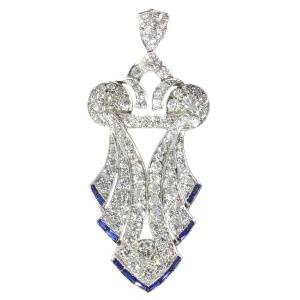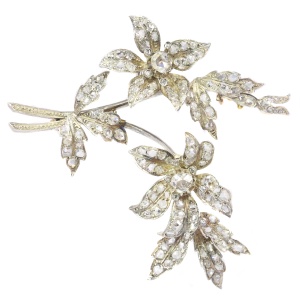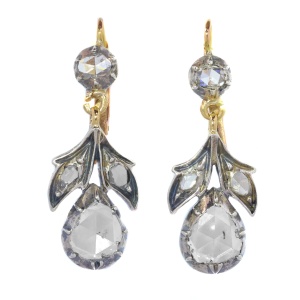

A foreign material (solid, gaseous or liquid) usually minute in size, that is enclosed within a natural mineral, but not a synthetic gemstone. An inclusion may result from: a pre-existing materialthat was enveloped by a growing crystal, e.g. specks of iron; a substance formed when the crystal was being formed, e.g. a gas bubble or a change after the crystal was formed, e.g. by heating whichcauses chamical alteration and recrystallization.Examples of solid inclusions may be:a needle of ruttle in asteriaspecks (piqués) of carbon in some diamondsspecks of mica in aventurine quartzinsects etc., embedded in amberExamples of liquid or gaseous inclusions may be water or carbonic gas, with sometimes a bubble of gas in the liquid (a 'two-phase inclusion'), and sometimes also an included crystal (a 'three-phaseinclusion').
Inclusion
Inclusion
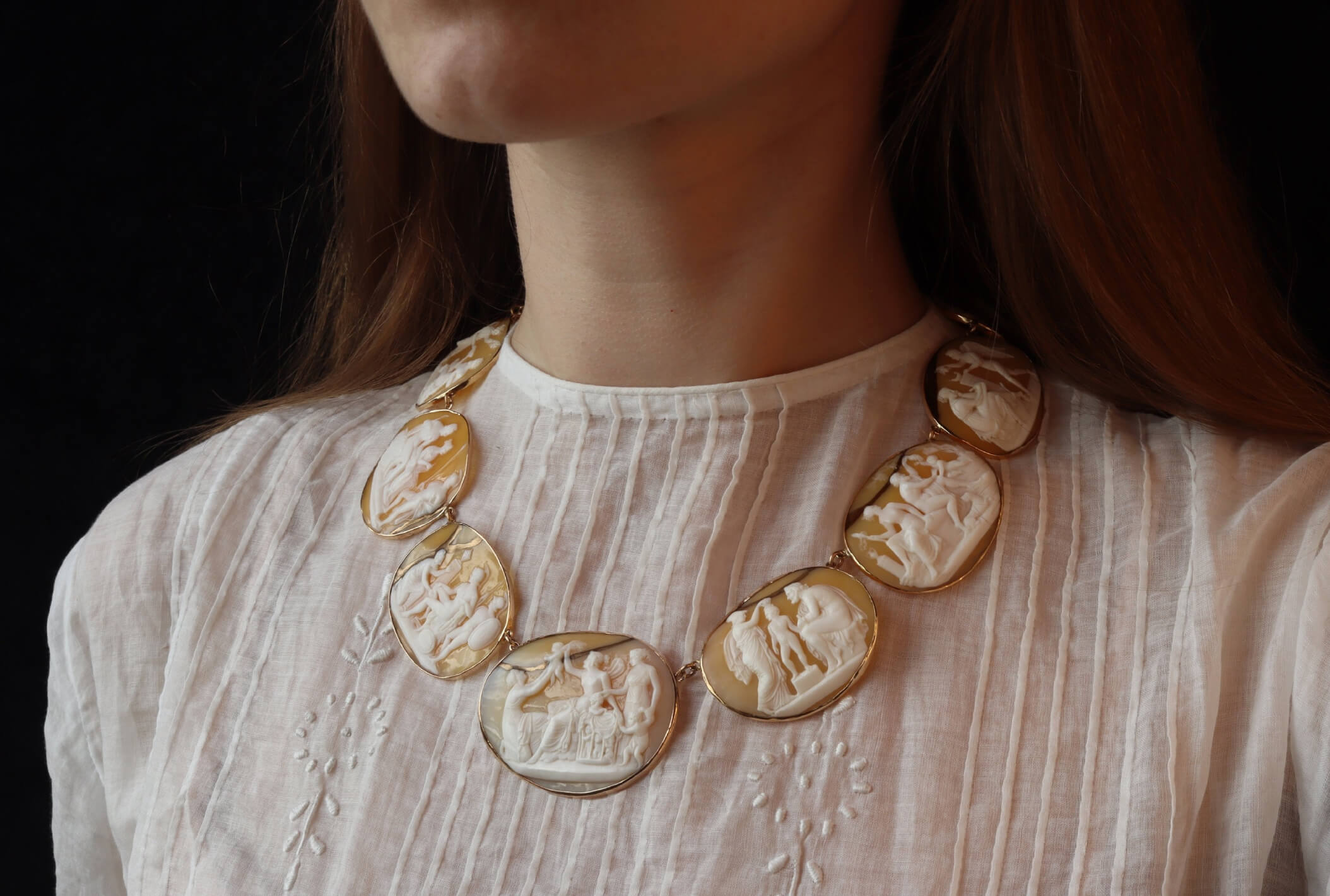
A foreign material (solid, gaseous or liquid) usually minute in size, that is enclosed within a natural mineral, but not a synthetic gemstone. An inclusion may result from: a pre-existing materialthat was enveloped by a growing crystal, e.g. specks of iron; a substance formed when the crystal was being formed, e.g. a gas bubble or a change after the crystal was formed, e.g. by heating whichcauses chamical alteration and recrystallization.Examples of solid inclusions may be:a needle of ruttle in asteriaspecks (piqués) of carbon in some diamondsspecks of mica in aventurine quartzinsects etc., embedded in amberExamples of liquid or gaseous inclusions may be water or carbonic gas, with sometimes a bubble of gas in the liquid (a 'two-phase inclusion'), and sometimes also an included crystal (a 'three-phaseinclusion').
References
From: An Illustrated Dictionary of Jewelry, autor: Harold Newman, publishers: Thames and Hudson