

A scale for measuring the hardness (resistance to abrasion or scratching) of a specimen of mineral or other hard substance, prepared in 1812 by the Austrian mineralogist Friedrich Mohs (1773-1839),being a series of ten specified minerals in the order of their relative hardness - the intervals between the listed minerals not being equal or proportionate - against which the specimen is rated.The minerals on the scale are: talc; gypsum, calcite, fluorspar, apatite, orthoclase (feldspar); quartz; topaz; sapphire (corundum); diamond. Intermediate measurements are indicated by fractions.All the important gemstones have a hardness of at least 5, but pearls and coral are lower.
Mohs Scale
This glossary entry has not yet been updated and is under review.
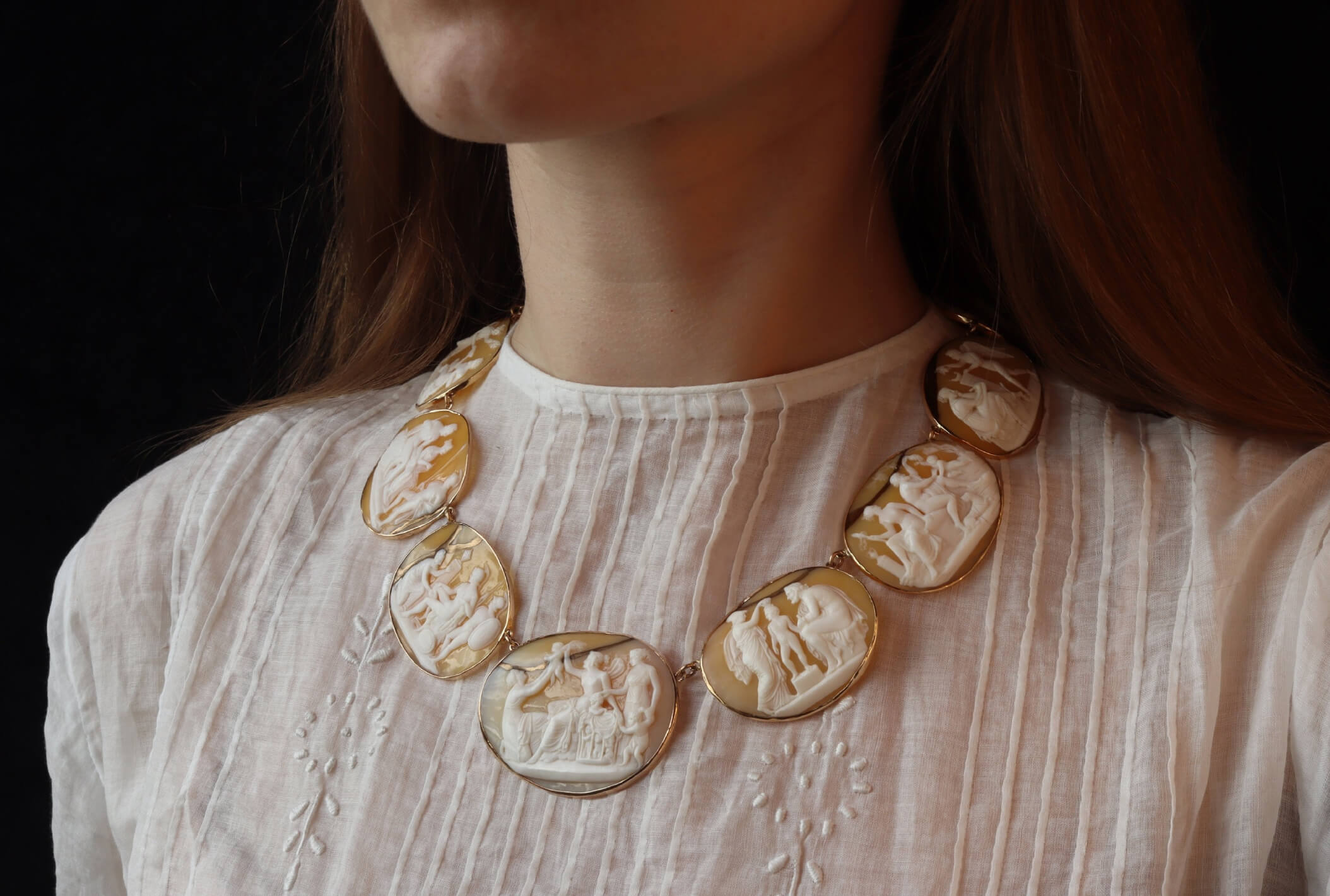
Explanation on mohs scale by Adin antique jewelry
Adin Academy
Mohs Scale
No items found.
A scale for measuring the hardness (resistance to abrasion or scratching) of a specimen of mineral or other hard substance, prepared in 1812 by the Austrian mineralogist Friedrich Mohs (1773-1839),being a series of ten specified minerals in the order of their relative hardness - the intervals between the listed minerals not being equal or proportionate - against which the specimen is rated.The minerals on the scale are: talc; gypsum, calcite, fluorspar, apatite, orthoclase (feldspar); quartz; topaz; sapphire (corundum); diamond. Intermediate measurements are indicated by fractions.All the important gemstones have a hardness of at least 5, but pearls and coral are lower.
Also known as:
References
From: An Illustrated Dictionary of Jewelry, autor: Harold Newman, publishers: Thames and Hudson
Want to share your feedback or input on this Academy article?
Thank you! Your submission has been received!
Oops! Something went wrong while submitting the form.