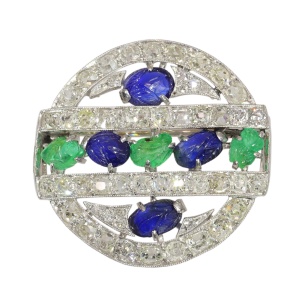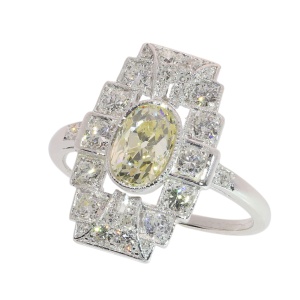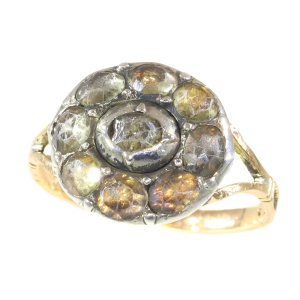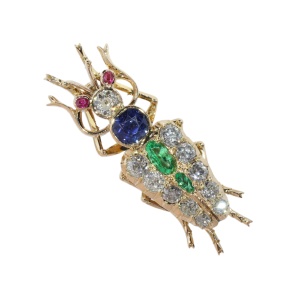

A long established and universally used technique (often called embossing) of producing relief decoration on a metal plate by punching and hammering thin metal from the reverse in order to raise thedesign on the front. The metal plate is sometimes turned over so that some embossing can be done on the front to enhance the desired relief design.The work is done by means of hand punches and hammers, or sometimes by mechanical means by the use of metal or stone dies (called 'embossing dies'). The metal to be decorated is laid on a bed of ayielding material (e.g. wood, lead, leather sand-filled bag, or usually pitch) after the design has been scratched on with a tracer, and then the design is punched and hammered in, with periodicannealing to prevent the metal from becoming brittle.On some examples the relief design is refined by chasing on the front (sometimes called 'repoussé chasing') or engraving, or sometimes embellished by additional metal soldered to the front.Sometimes, in imitation of true repoussé work, the decorative design is not beaten from the reverse but pieces of metal are cut out separately, embossed, and affixed to the front. The process mustbe distinguished from stamping.
Repousse
Repousse
A long established and universally used technique (often called embossing) of producing relief decoration on a metal plate by punching and hammering thin metal from the reverse in order to raise thedesign on the front. The metal plate is sometimes turned over so that some embossing can be done on the front to enhance the desired relief design.The work is done by means of hand punches and hammers, or sometimes by mechanical means by the use of metal or stone dies (called 'embossing dies'). The metal to be decorated is laid on a bed of ayielding material (e.g. wood, lead, leather sand-filled bag, or usually pitch) after the design has been scratched on with a tracer, and then the design is punched and hammered in, with periodicannealing to prevent the metal from becoming brittle.On some examples the relief design is refined by chasing on the front (sometimes called 'repoussé chasing') or engraving, or sometimes embellished by additional metal soldered to the front.Sometimes, in imitation of true repoussé work, the decorative design is not beaten from the reverse but pieces of metal are cut out separately, embossed, and affixed to the front. The process mustbe distinguished from stamping.
References
From: An Illustrated Dictionary of Jewelry, autor: Harold Newman, publishers: Thames and Hudson
Repoussé
Repoussé or repoussage is a metalworking technique in which a malleable metal is ornamented or shaped by hammering from the reverse side. There are few techniques that offer such diversity ofexpression while still being relatively economical.