

The process of dividing a rough gemstone, other than a diamond, into two or more smaller stones suitable for faceting, being guided by the crystalline structure of the rough stone. It has been done forcenturies, and is still so done, by use of a small, very thin, revolving disc, made of bronze or soft iron, charged with diamond dust together with olive oil or paraffin as a lubricant.The stone is usually held by hand against the edge of the slitting disc, but in modern times mechanical holders have been introduced. After a stone has been so split, bruting is not needed beforefaceting.
Slitting
This glossary entry has not yet been updated and is under review.
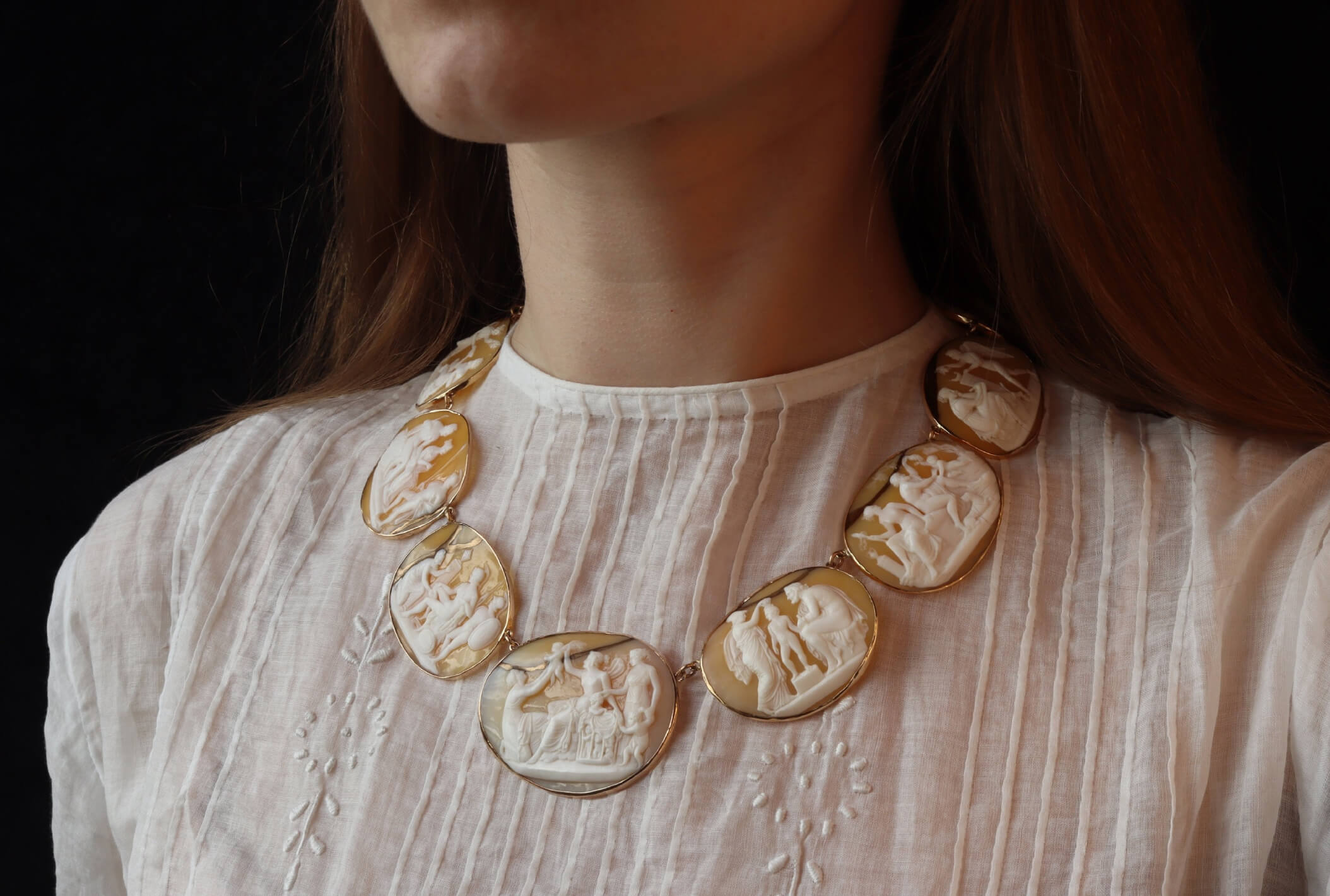
Explanation on slitting by Adin antique jewelry
Adin Academy
Slitting
No items found.
The process of dividing a rough gemstone, other than a diamond, into two or more smaller stones suitable for faceting, being guided by the crystalline structure of the rough stone. It has been done forcenturies, and is still so done, by use of a small, very thin, revolving disc, made of bronze or soft iron, charged with diamond dust together with olive oil or paraffin as a lubricant.The stone is usually held by hand against the edge of the slitting disc, but in modern times mechanical holders have been introduced. After a stone has been so split, bruting is not needed beforefaceting.
Also known as:
References
From: An Illustrated Dictionary of Jewelry, autor: Harold Newman, publishers: Thames and Hudson
Related jewels
See all
related jewellery
Want to share your feedback or input on this Academy article?
Thank you! Your submission has been received!
Oops! Something went wrong while submitting the form.