

A variety of epidote that is transparent and typically deep bluish-violet, but also sometimes of other hues. The paler stones are subjected to heat treatment to produce the blue colour desired forgemstones. Transparent stones are faceted, cloudy ones are cut en cabochon. A specimen called 'Midnight Blue', weighing 122,7 carats, is at the Natural History Museum, Washington, DC.The stones somewhat resemble sapphire but are lighter and softer. Tanzanite was discovered in 1967 in Tanzania (the state formed in 1964 by the merging of Tanganyika and Zanzibar) through the aid ofHenry B. Patt, of Tiffany & Co., and was so named by him; in 1968 it was introduced by Tiffany to the jewelry world.
Tanzanite
This glossary entry has not yet been updated and is under review.
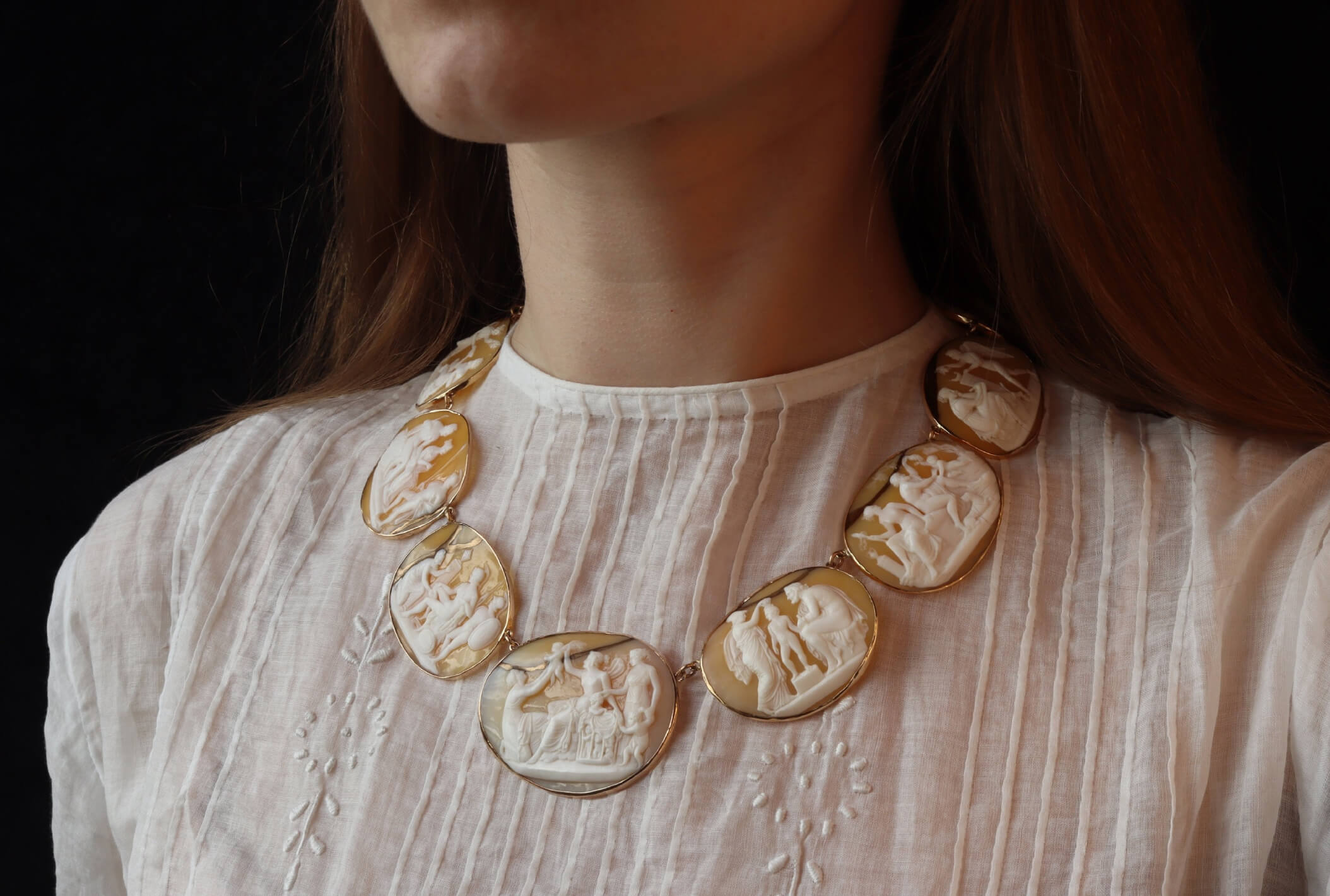
Explanation on tanzanite by Adin antique jewelry
Adin Academy
Tanzanite
No items found.
A variety of epidote that is transparent and typically deep bluish-violet, but also sometimes of other hues. The paler stones are subjected to heat treatment to produce the blue colour desired forgemstones. Transparent stones are faceted, cloudy ones are cut en cabochon. A specimen called 'Midnight Blue', weighing 122,7 carats, is at the Natural History Museum, Washington, DC.The stones somewhat resemble sapphire but are lighter and softer. Tanzanite was discovered in 1967 in Tanzania (the state formed in 1964 by the merging of Tanganyika and Zanzibar) through the aid ofHenry B. Patt, of Tiffany & Co., and was so named by him; in 1968 it was introduced by Tiffany to the jewelry world.
Also known as:
References
From: An Illustrated Dictionary of Jewelry, autor: Harold Newman, publishers: Thames and Hudson
Want to share your feedback or input on this Academy article?
Thank you! Your submission has been received!
Oops! Something went wrong while submitting the form.