

See our: Mythologic jewelry.In Greek mythology, Ares is the son of Zeus and Hera. Though often referred to as the Olympian god of warfare, he is more accurately the god of savage warfare, or bloodlust, or slaughter personified.The Romans identified him as Mars, the Roman god of war and agriculture (whom they had inherited from the Etruscans), but among them, Mars stood in much higher esteem (also see Athena).Among the Hellenes, Ares was always distrusted. Though Ares' half-sister Athena was also considered to be a war deity, Athena's stance was that of strategic warfare while Ares' tended to be theunpredictable violence of war. His birthplace and true home was placed far off, among the barbarous and warlike Thracians, to whom he withdrew after hisaffair with Aphrodite was revealed."Ares" remained an adjective and epithet in Classical times: Zeus Areios, Athena Areia, even Aphrodite Areia. In Mycenaean times, inscriptions attest to Enyalios, a name that survived into Classicaltimes as an epithet of Ares. Vultures and dogs, which both prey upon carrion in the battlefield, are sacred to him.Ares had a quadriga drawn by four gold-bridled fire-breathing immortal stallions. Among the gods, Ares was recognized by his bronze armor; he brandished a spear in battle. His keen andsacred birds were the barn owl, woodpecker, the eagle owl and, especially in the south, the vulture. According to Argonautica the birds of Ares(Ornithes Areioi) were a flock of feather-dart-dropping birds that guarded the Amazons' shrine of the god on a coastal island in the Black Sea. In Sparta, the chthonic night-time sacrifice of a dog toEnyalios became assimilated to the cult of Ares. Sacrifice might be made to Ares on the eve of battle to enlist his support.It is said Ares rode into battle and when he was wounded he went back to Mt. Olympus where Zues healed him. Then Ares went straight back to battle.See also: Olympian gods
Ares
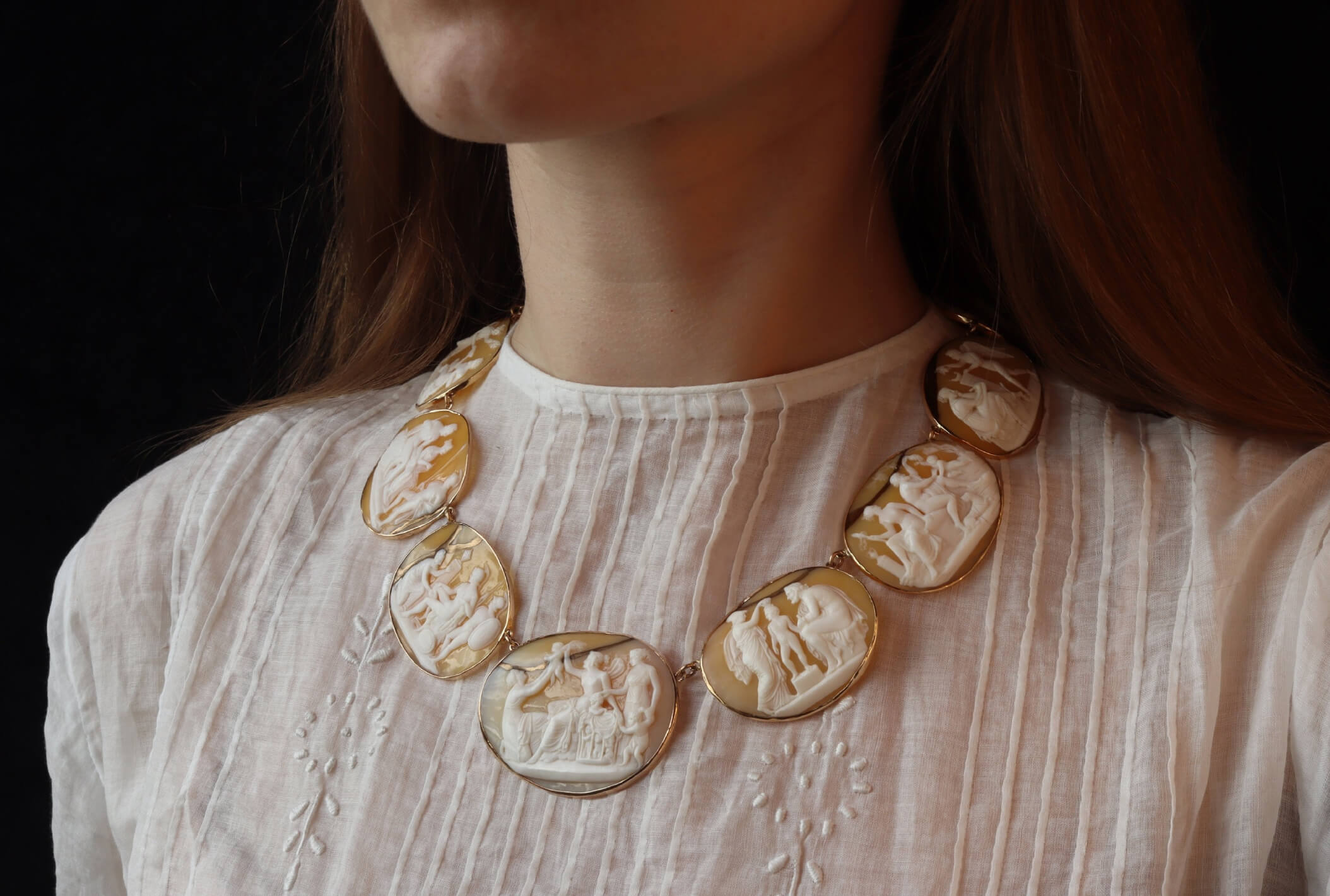
Ares
See our: Mythologic jewelry.In Greek mythology, Ares is the son of Zeus and Hera. Though often referred to as the Olympian god of warfare, he is more accurately the god of savage warfare, or bloodlust, or slaughter personified.The Romans identified him as Mars, the Roman god of war and agriculture (whom they had inherited from the Etruscans), but among them, Mars stood in much higher esteem (also see Athena).Among the Hellenes, Ares was always distrusted. Though Ares' half-sister Athena was also considered to be a war deity, Athena's stance was that of strategic warfare while Ares' tended to be theunpredictable violence of war. His birthplace and true home was placed far off, among the barbarous and warlike Thracians, to whom he withdrew after hisaffair with Aphrodite was revealed."Ares" remained an adjective and epithet in Classical times: Zeus Areios, Athena Areia, even Aphrodite Areia. In Mycenaean times, inscriptions attest to Enyalios, a name that survived into Classicaltimes as an epithet of Ares. Vultures and dogs, which both prey upon carrion in the battlefield, are sacred to him.Ares had a quadriga drawn by four gold-bridled fire-breathing immortal stallions. Among the gods, Ares was recognized by his bronze armor; he brandished a spear in battle. His keen andsacred birds were the barn owl, woodpecker, the eagle owl and, especially in the south, the vulture. According to Argonautica the birds of Ares(Ornithes Areioi) were a flock of feather-dart-dropping birds that guarded the Amazons' shrine of the god on a coastal island in the Black Sea. In Sparta, the chthonic night-time sacrifice of a dog toEnyalios became assimilated to the cult of Ares. Sacrifice might be made to Ares on the eve of battle to enlist his support.It is said Ares rode into battle and when he was wounded he went back to Mt. Olympus where Zues healed him. Then Ares went straight back to battle.See also: Olympian gods
References
From: Wikipedia