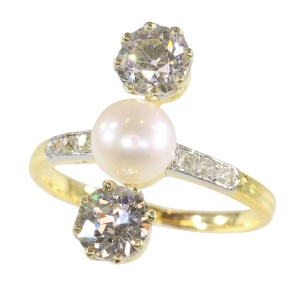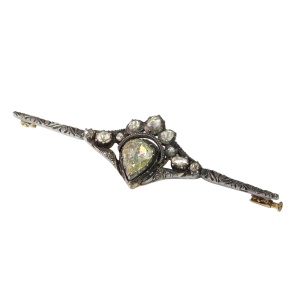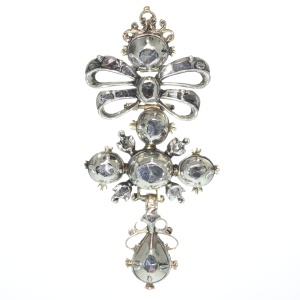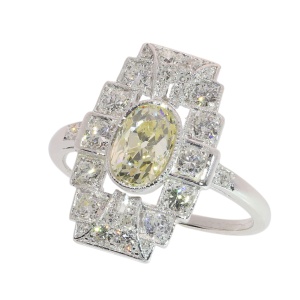

A silversmith is a person who works primarily with silver. Unlike blacksmiths, silversmiths do not shape the metal while it is red-hot but instead, work it at room temperature with gentle and carefullyplaced hammerblows. The essence of silversmithing is to take a flat piece of metal and by means of different hammers, stakes and other simple tools, to transform it into an useful object.While silversmiths specialize in, and principally work, silver, they also work with other metals such as gold, copper, steel, and brass. They make jewelry, silverware, armour, vases, and otherartistic items. Because silver is such a malleable metal, silversmiths have a large range of choices with how they prefer to work the metal. Historically, silversmiths are mostly referred to asgoldsmiths, which was usually the same guild.Silver is cheaper than gold, though still valuable, and so is very popular with jewellers who are just starting out and cannot afford to make pieces in gold, or as a practicing material for goldsmithapprentices. Silver has also become very fashionable, and is used frequently in more artistic jewelry pieces.There are several different types of silversmiths: Some are involved in the fabrication of the metals, where items are typically cut and then constructed with differing connections, such as solderingor riveting. Others work in wax and then cast their pieces using a process called lost wax casting, where the wax original is evaporated in a burn-out process in a kiln. There are silversmiths whospecialize in forging and forming, producing pieces that are typically made from a single piece of metal that has been hammered or formed under the pressure of percussion or squeezing from a press,such as a hydraulic press. There are silversmiths who only make jewelery and there are silversmiths who only make utensils.Traditionally a Silversmith gets its name from the production of "silverware" (cutlery, bowls, plates, cups, candlesticks and such). Only in more recent times has a silversmith expanded to work onjewelry, due to the similarity in techniques.
Silversmith
Silversmith
A silversmith is a person who works primarily with silver. Unlike blacksmiths, silversmiths do not shape the metal while it is red-hot but instead, work it at room temperature with gentle and carefullyplaced hammerblows. The essence of silversmithing is to take a flat piece of metal and by means of different hammers, stakes and other simple tools, to transform it into an useful object.While silversmiths specialize in, and principally work, silver, they also work with other metals such as gold, copper, steel, and brass. They make jewelry, silverware, armour, vases, and otherartistic items. Because silver is such a malleable metal, silversmiths have a large range of choices with how they prefer to work the metal. Historically, silversmiths are mostly referred to asgoldsmiths, which was usually the same guild.Silver is cheaper than gold, though still valuable, and so is very popular with jewellers who are just starting out and cannot afford to make pieces in gold, or as a practicing material for goldsmithapprentices. Silver has also become very fashionable, and is used frequently in more artistic jewelry pieces.There are several different types of silversmiths: Some are involved in the fabrication of the metals, where items are typically cut and then constructed with differing connections, such as solderingor riveting. Others work in wax and then cast their pieces using a process called lost wax casting, where the wax original is evaporated in a burn-out process in a kiln. There are silversmiths whospecialize in forging and forming, producing pieces that are typically made from a single piece of metal that has been hammered or formed under the pressure of percussion or squeezing from a press,such as a hydraulic press. There are silversmiths who only make jewelery and there are silversmiths who only make utensils.Traditionally a Silversmith gets its name from the production of "silverware" (cutlery, bowls, plates, cups, candlesticks and such). Only in more recent times has a silversmith expanded to work onjewelry, due to the similarity in techniques.
References
From: